
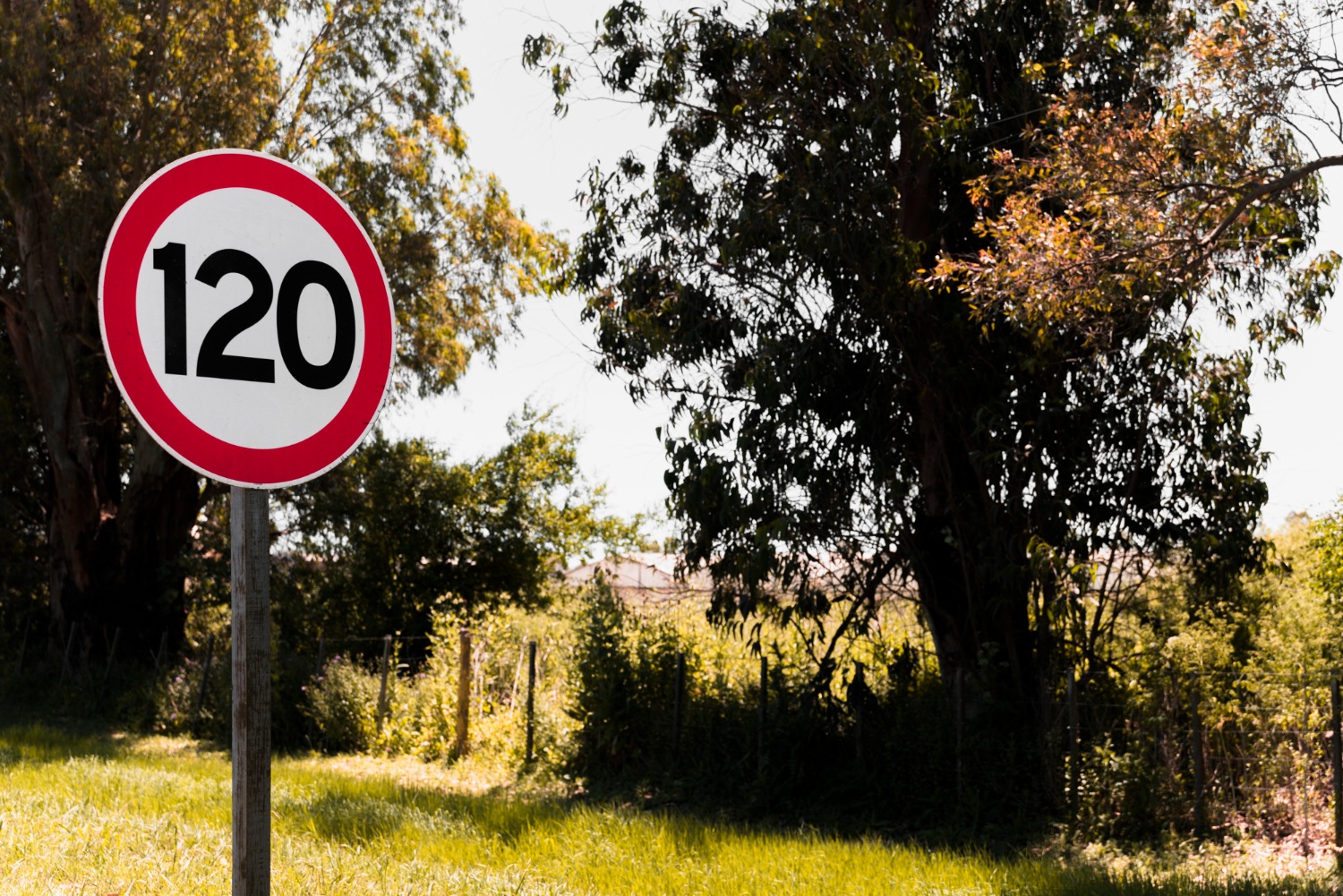

The new road sign regulation in Bulgaria, Ordinance No. RD-02-21-1 of 23 November 2023 on road signalling with road signs, is now in force and changes the requirements for all municipal, national and private road signalling in the country. For municipalities, road administrations and businesses this is not a theoretical matter: existing signs must be brought into line with the new road sign regulation within a transition period that ends in 2027.
What is the new road sign regulation?
Ordinance No. RD-02-21-1 is the main legal act that defines which road signs are used in Bulgaria, what they look like, where and how they are placed and which technical requirements they must meet. It was issued jointly by the Ministry of Regional Development and Public Works, the Ministry of Interior and the Ministry of Transport and Communications. The ordinance was published in State Gazette issue 101 of 5 December 2023 and has been in force since 7 August 2024. It replaces the long-standing Ordinance No. 18 of 2001, which was amended many times over the past twenty years.
The main changes compared with the old rules
The changes introduced by the road sign regulation are more than cosmetic. Some of them directly affect what must be placed on the road and how it must look.
New warning signs
The ordinance introduces new group A signs for real situations on the road that previously had no dedicated sign. They include A40 “Caution! Section with a concentration of road accidents” (with a fluorescent yellow-green background), A41 “Traffic jam ahead”, A42 “Reduced visibility” and A43 “Road accident ahead”.
Variable message signs
For the first time, a road sign regulation sets out in detail the use of variable message signs, both with preset images and matrix types. This opens the legal framework for active and intelligent signalling on busy road sections.
New infrastructure for bicycles and electric vehicles
The ordinance covers the signalling of sections used by individual electric vehicles and the numbering of cycle routes. As cycle paths expand in the large cities, this part is becoming increasingly important for municipalities.
Technical requirements and reflectivity
The new road sign regulation requires every sign to comply with BDS EN 12899-1, the European standard for fixed vertical road signs, and provides that roads of the same class should be signed with sheeting of the same coefficient of retroreflection. In other words, signs with visibly different reflectivity should not be mixed on the same road.
Reflectivity classes: what RA1, RA2 and RA3 mean
Reflective sheeting determines how well a sign can be seen in headlights at night, in rain and in fog. Three main classes are used in practice:
- RA1: sheeting with micro glass beads, suitable for low-speed streets, internal roads and well lit parking areas;
- RA2: high intensity sheeting, about three times brighter than RA1, the standard choice for streets, municipal roads and national roads;
- RA3: microprismatic sheeting with the highest reflectivity, intended for motorways, expressways, dangerous bends and overhead signs.
Classes RA1 and RA2 are defined in BDS EN 12899-1, while the requirements for class RA3 microprismatic materials are set by additional European technical documents. The choice of class is not a matter of taste. It depends on the road category, the speed and the lighting conditions, and it must follow the traffic organisation project.
Transition period: when old signs must be replaced
The new road sign regulation does not require all existing signs to be removed on the day it enters into force. According to analyses published when it was issued, a three-year transition period applies for bringing existing signalling into line, which means until summer 2027. We recommend checking the exact deadline for a specific road in the transitional provisions of the ordinance and agreeing it with the relevant road administration, because a year’s delay is a serious risk for public procurement and budget planning.
A practical plan for municipalities and businesses
How can the requirements of the road sign regulation be met in practice? Our experience with municipalities, construction companies and managers of commercial sites shows that replacement runs most smoothly when it is planned in stages and not left to the last moment:
- Inventory. A full list of the signs on the roads and streets you manage: type, size, sheeting class, year of installation and condition.
- Priorities. Signs on high-risk sections are replaced first: junctions, school zones, pedestrian crossings and dangerous bends.
- Budget and public procurement. The replacement is included in the next year’s budget, and the technical specification explicitly names the ordinance, BDS EN 12899-1 and the required reflectivity class.
- Documentation. For every sign delivered, ask for a declaration of performance and a conformity marking.
If you need guidance on checking whether your existing signs meet the requirements, see our article on how to check if road signs and plates meet the standards. For the role of local authorities, read municipalities and road safety.
Frequently asked questions
Does the new road sign regulation apply to private parking areas and warehouses?
The ordinance governs signalling on roads and streets open to public use. It is not directly mandatory for internal roads on private property, but using the same signs and sheeting classes is the safest way to keep the signalling clear to drivers and defensible after an incident.
Do I have to replace signs that are in good condition?
If a sign also exists in the new road sign regulation with an identical meaning, appearance and size, and it meets the technical requirements, it does not need replacing. Signs that have been removed, changed or do not meet the reflectivity requirements must be replaced.
Which sheeting class is needed for temporary signs during repairs?
Temporary signs must be at least as visible as the permanent signs on the same road, and a higher class is usually used on high-speed sections. The specific class is set in the temporary traffic management project.
How do I recognise a certified road sign?
A certified sign has a conformity marking and accompanying documents with declared performance under BDS EN 12899-1. You can read more about the benefits of certified products in our article on the top 5 reasons to choose certified road signs.
Conclusion
The new road sign regulation modernises signalling in Bulgaria with new warning signs, variable message signs and clear technical requirements for reflectivity. The transition period gives you time, but not unlimited time. Municipalities and businesses that start their inventory and planning now will avoid the pressure and higher prices of the last months before the deadline.
Signal Pro supplies road signs made to BDS EN 12899-1 with different classes of reflective sheeting, as well as poles, brackets and mounting parts. Browse the catalog and online store or contact us for a quote based on your specification and meet the new road sign regulation on time.
The full text of the legal act is available here (in Bulgarian): Ordinance No. RD-02-21-1 on road signalling with road signs.
Phone: +359 882 578 060 · Email: office@signalpro.bg · Website: signal-pro.net

