
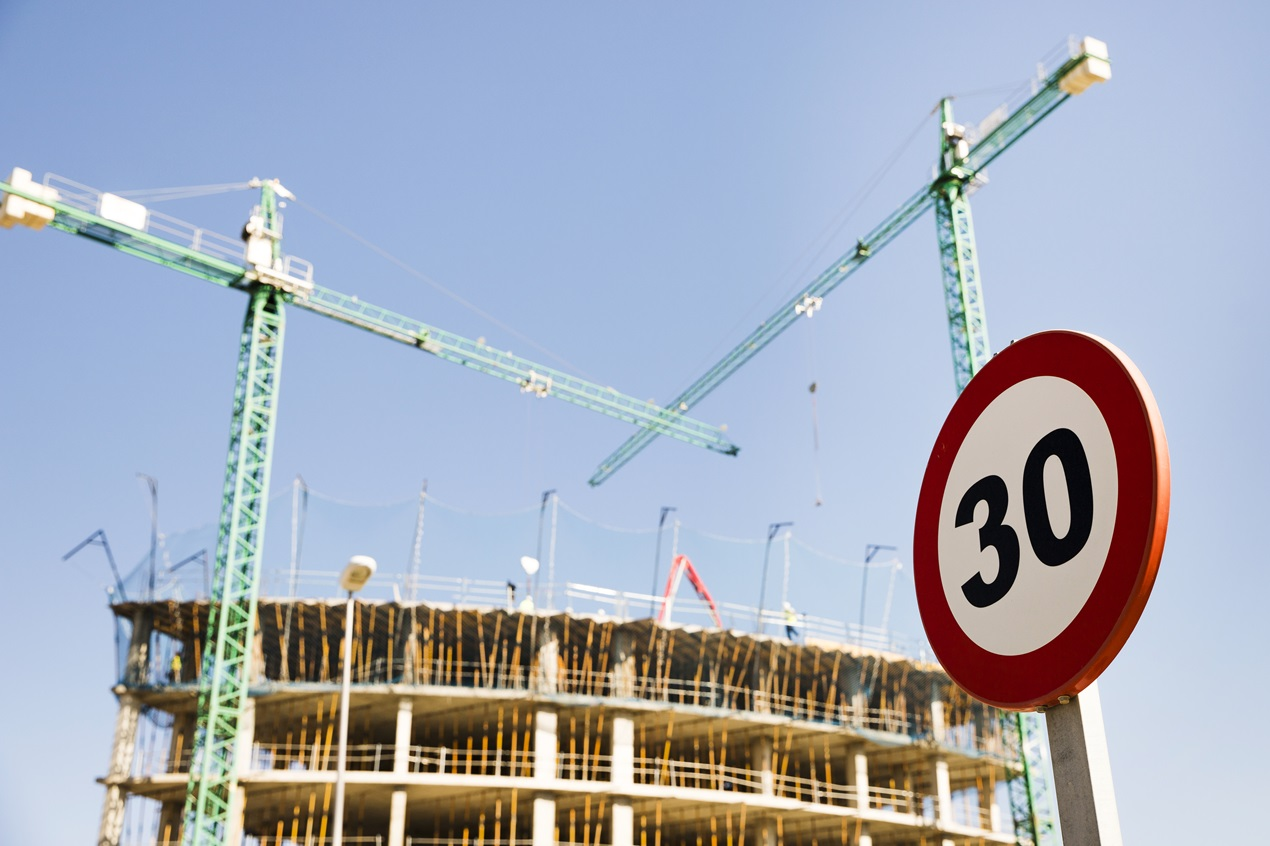

Choosing the right road signs for a construction site is essential both for the safety of workers and pedestrians and for the optimal management of traffic around the site. Road signs play a key role in guiding traffic, warning of potential risks and ensuring order in areas where construction activities are taking place. In this article, we will look at how to make an informed choice of road signs for your construction site, taking into account safety and efficiency standards.
1. Analysis of the area and types of construction activities
The first step in choosing the right road signs for a construction site is to analyse the area around the construction site and the type of construction activities to be carried out. If the site is located in a busy urban area with heavy traffic, it is essential to provide signs for traffic diversion, speed limits and warnings for pedestrians. Depending on the specific activities, such as excavation works, heavy machinery installation or crane placement, it may be necessary to place additional warning signs to inform drivers and pedestrians of these risks.
2. Compliance with standards and legal requirements
Every country has certain standards and regulations for road signs for construction sites. In Bulgaria, these Technical requirements for the execution of road signs are regulated and must be strictly followed in order to avoid legal sanctions and ensure a high level of safety. The signs must comply with requirements for size, shape, colours and type of symbols, and must be clearly visible and legible even in adverse weather conditions.
3. Types of road signs for construction sites
Three main types of road signs are used for construction sites:
- Warning signs – indicate potential hazards, such as excavations, dangerous sections and heavy machinery.
- Prohibitory signs – restrict access to certain sections or prohibit the passage of motor vehicles, bicycles and pedestrians.
- Informative signs – guide and inform traffic about the presence of a construction zone and alternative routes.
4. Materials and visibility of the signs
Road signs for construction sites must be made of high‑quality materials that are resistant to weather conditions and wear. Reflective signs are mandatory for sections with low lighting or those used at night, to ensure good visibility for drivers and pedestrians. The use of light indicators is also recommended for sites with heavy traffic.
5. Regular maintenance and updating of signs
Last but not least, regular maintenance of the signs is an important factor. When construction activities change, the signs must be updated accordingly to reflect the new conditions and restrictions. Regular inspection and replacement of damaged or worn signs is mandatory to ensure ongoing site safety.
6. Planning the placement of road signs for a construction site
It is crucial that Road signs and road markings for a construction site are placed in strategic locations so as to provide clear and timely information to all road users. This means they must be visible from a distance and give drivers enough time to react. At the entry and exit points of the construction zone, it is recommended to place signs that clearly mark the beginning and end of the site, as well as directions for alternative routes. In cases where the construction site extends over a larger area, it is advisable to have several identical signs at appropriate distances for additional visibility.
7. Technological solutions and smart signs
With the introduction of new technologies in the construction sector, intelligent road signs for construction sites are increasingly being used, which can adapt their content according to traffic conditions. They can warn about specific activities at a given moment, for example “Increased truck traffic” or “Delays due to asphalt laying”. By automatically adjusting the messages, these signs significantly increase safety and awareness, while reducing inconvenience for drivers.
8. Information boards for worker safety
Not all road signs for a construction site are intended for traffic regulation. Inside the construction zone, it is also necessary to place information boards to guide workers and employees on site. For example, safety instruction signs and evacuation guidelines are mandatory on large construction sites, thus creating a safe working environment for everyone involved in the activity.
9. Public awareness and signage
Before starting construction activities, it is recommended that local authorities and the public be informed of the upcoming traffic changes. This can be done through local media, online messages or the placement of information signs and boards near the site. Timely information helps people plan alternative routes, and for residents in the construction area it is useful as they will know how to avoid delays or difficulties.
10. Training of staff in working with the signs
The staff responsible for placing and maintaining road signs for a construction site must be well trained and familiar with safety standards. This includes knowledge of the correct arrangement of the signs, as well as the ability to react quickly and adequately in the event of incidents or changes in the situation around the construction site. Regular training of workers helps maintain high efficiency and prevent possible incidents.
The right choice of road signs for a construction site is crucial for the effective and safe execution of construction activities.

