
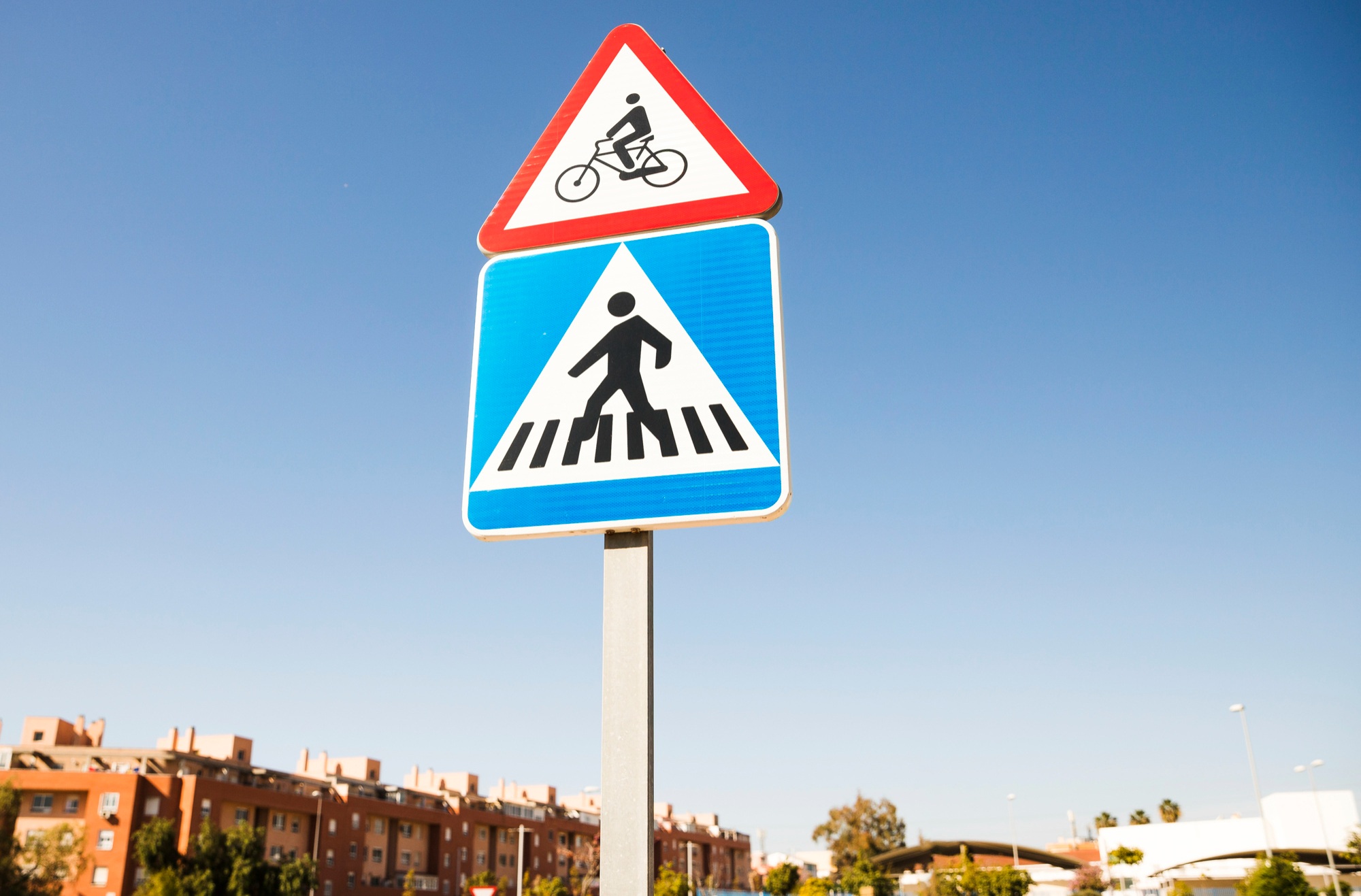

Foundations of safe and efficient traffic management
Permanent traffic organization represents a system of technical means, rules, and infrastructure solutions that regulate the movement of vehicles, pedestrians, and other road users in the long term.
It is a key element of modern transport infrastructure management and plays a fundamental role in increasing safety, optimizing traffic flow, and reducing the risk of road accidents.
In Bulgaria, permanent traffic organization is part of official infrastructure projects and is applied to both the national road network and urban streets, industrial zones, and private complexes.
What does permanent traffic organization include?
Permanent traffic organization is implemented through a combination of infrastructure and signaling elements that define the rules of the road.
The main components include:
-
vertical signaling (road signs);
-
horizontal marking;
-
traffic light systems;
-
speed limiters;
-
dividing elements;
-
pedestrian facilities;
-
traffic islands and physical dividers;
-
information boards and guidance systems.
All these elements work together to create a clear, predictable, and safe traffic environment.
Where is permanent traffic organization applied?
Permanent traffic organization is used in a wide range of infrastructure projects.
Urban street network
In populated areas, it regulates:
-
one-way streets;
-
speed limits;
-
pedestrian zones;
-
bicycle lanes;
-
intersection priorities.
This allows for better traffic management and a reduction in congestion.
Industrial and logistics zones
In industrial parks and production facilities, permanent organization:
-
separates pedestrian and vehicle flows;
-
creates safe routes for heavy goods vehicles;
-
regulates internal logistics;
-
reduces the risk of accidents.
This is particularly important in environments with intensive movement of heavy machinery.
Parking lots and commercial sites
In shopping centers and retail parks, permanent traffic organization:
-
defines traffic directions;
-
designates parking spaces;
-
ensures safe pedestrian routes;
-
regulates entrances and exits.
Proper planning improves both safety and convenience for visitors.
Main objectives of permanent traffic organization
Increasing safety 🛑
The most important function of permanent organization is reducing the risk of road accidents.
Through clearly marked traffic rules, the following are reduced:
-
conflict points;
-
incorrect maneuvers;
-
sudden changes in direction.
Traffic optimization 🚗
Well-planned organization:
-
increases throughput capacity;
-
reduces congestion;
-
improves coordination between different road users.
Facilitating orientation
Through signs, markings, and information boards, road users receive clear instructions regarding:
-
direction of travel;
-
restrictions;
-
possible routes.
This is especially important for drivers who are unfamiliar with the area.
Designing permanent traffic organization
The design process includes several key stages.
Traffic analysis
Before creating the project, the following are analyzed:
-
traffic intensity;
-
types of vehicles;
-
pedestrian flow;
-
specific risks of the section.
Developing a scheme
The project includes:
-
placement of road signs;
-
type and placement of markings;
-
pedestrian facilities;
-
speed limits;
-
intersection organization.
Coordination and approval
Projects for permanent traffic organization are subject to coordination with:
-
municipal administrations;
-
the Road Infrastructure Agency;
-
traffic police authorities.
Implementation can only proceed after approval.
Difference between temporary and permanent traffic organization
| Characteristic | Permanent Organization | Temporary Organization |
|---|---|---|
| Duration | Long-term | Temporary |
| Purpose | Traffic regulation | Ensuring safety during repairs |
| Elements | Fixed signs and markings | Portable equipment |
| Application | Road infrastructure | Construction and emergency activities |
Permanent organization creates a stable system of rules that remain in force for an extended period.
Common problems in the absence of good organization ❌
When permanent traffic organization is insufficient or poorly designed, the following may occur:
-
traffic jams;
-
conflict points between users;
-
increased risk of accidents;
-
difficulties in orientation;
-
lower efficiency of the transport system.
These problems are particularly common in rapidly developing urban areas.
The importance of professional execution
Building an effective permanent traffic organization requires:
-
expert planning;
-
use of certified materials;
-
compliance with regulatory requirements;
-
correct positioning of signaling elements.
Professional execution guarantees long-term sustainability and safety.
Permanent traffic organization is a fundamental element of any transport infrastructure. Through a combination of signs, markings, and engineering solutions, it creates a clear system of rules that allows for safe and efficient movement.
Whether it is an urban street, an industrial zone, or a commercial complex, the proper planning and execution of permanent traffic organization is key to reducing risk, improving traffic flow, and creating a secure environment for all road users. 🚧
With experience in working with industrial clients and high safety requirements, SignalPro is a reliable partner for building a functional and secure logistics environment.
📞 Phone: +359 882 578 060
📧 Email: info@signalpro.bg
🌐 Website: https://signalpro.bg
Road solutions for warehouses and logistics are a key element of modern industrial infrastructure. They ensure safety, order, and efficiency in a highly dynamic and responsible environment. By correctly selecting signs, equipment, and traffic organization, businesses can reduce risks and optimize their processes.
Choosing a professional partner like SignalPro ensures that every solution is tailored to the actual needs of the site and meets the highest standards for quality and safety.

