
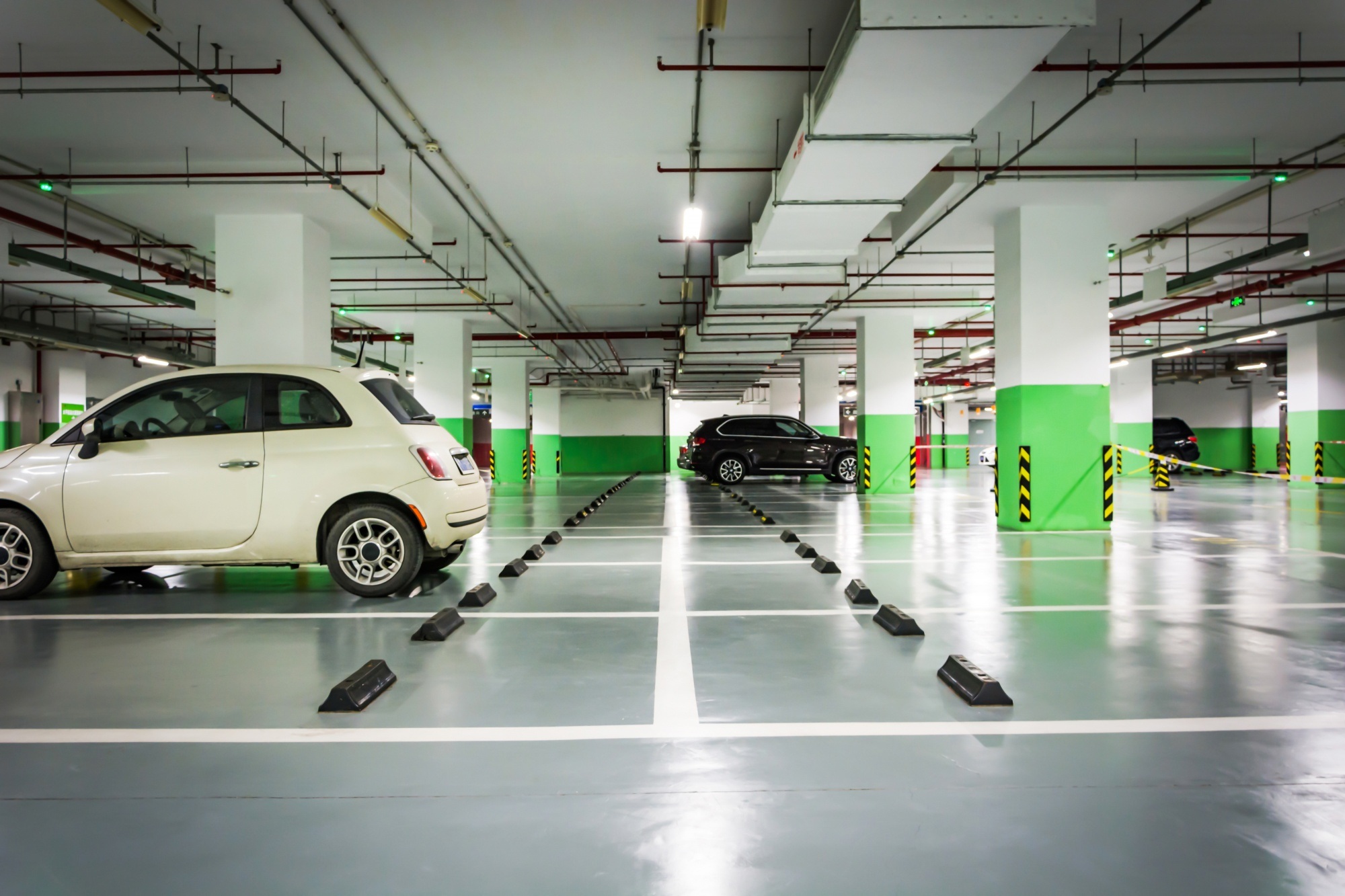

How Proper Traffic Management and Signaling Reduce the Risk of Accidents
The safety of commercial facilities and their adjacent parking lots represents one of the most critical aspects of the urban environment. Every day, hundreds or thousands of vehicles, pedestrians, suppliers, and employees pass through these areas. This creates a complex environment with an increased risk of traffic accidents, property damage, and incidents involving customers.
Investing in professional traffic management and infrastructure safety around commercial sites is not just a regulatory requirement—it is a key factor for reputation, operational efficiency, and the reduction of legal risk for the investor. ⚠️
Why Are Areas Around Commercial Sites Risky?
Parking lots and entry-exit arteries to malls, supermarkets, and retail parks are characterized by:
-
intense and unpredictable vehicle flow;
-
mixed movement of pedestrians and vehicles;
-
limited visibility during maneuvering;
-
frequent stopping and starting;
-
presence of children and elderly people;
-
loading and unloading activities.
The most common incidents include:
-
collisions while reversing;
-
collisions when exiting a parking space;
-
incorrect pedestrian crossings;
-
side-impact collisions in narrow aisles.
Key Elements of Safe Infrastructure 🛑
1. Clear Traffic Management
A well-planned traffic scheme includes:
-
one-way aisles;
-
clearly marked entrances and exits;
-
separate delivery routes;
-
sufficiently wide maneuvering spaces.
The organization must be intuitive and understandable without additional instructions.
2. Vertical Signaling
Properly placed road signs provide:
-
speed limits (usually 10-20 km/h);
-
designation of pedestrian zones;
-
warnings for speed bumps;
-
right-of-way priority;
-
designation of parking spaces for people with disabilities.
Signs must be:
-
highly reflective;
-
weather-resistant;
-
visible even in nighttime conditions.
3. Horizontal Marking
Markings in parking lots are critical for:
-
correct vehicle positioning;
-
clear demarcation of pedestrian crossings;
-
designation of reserved spaces;
-
directing the flow of traffic.
The use of wear-resistant materials ensures long-term effectiveness.
4. Physical Barriers and Protective Elements
In high-risk areas, the following are used:
-
parking blocks;
-
anti-parking bollards;
-
protective fencing;
-
rubber column protectors;
-
safety railings around entrances.
These elements protect both the building and pedestrians.
5. Lighting and Visibility 💡
Insufficient lighting is among the primary causes of accidents in parking lots.
An effective system must provide:
-
uniform illumination;
-
minimal shadows;
-
good visibility of markings;
-
clearly distinguishable pedestrian zones.
Separation of Pedestrian Flow 🚶♂️
One of the most important safety measures is the physical and visual separation of pedestrians from vehicle traffic.
This is achieved through:
-
clearly marked pedestrian crossings;
-
raised pedestrian zones;
-
safety fencing;
-
guiding railings;
-
speed reduction via speed bumps.
The entrances of commercial sites are the most critical points and require special attention.
Loading and Unloading Zones 🚚
An often underestimated aspect is the separation of logistics traffic from customer traffic.
Good practice includes:
-
independent delivery entrances;
-
clearly marked loading ramps;
-
scheduled loading windows;
-
physical restriction of customer access to these zones.
This reduces the risk of serious accidents.
Legal Framework and Responsibility
Owners and operators of commercial sites are responsible for safety in adjacent parking lots and access routes.
In the event of an accident, the following may arise:
-
civil lawsuits;
-
insurance claims;
-
administrative sanctions;
-
reputational damage.
Proper traffic management serves as evidence of preventive measures taken.
Benefits of Professional Infrastructure Design 📊
Investment in infrastructure safety leads to:
-
reduction in accidents;
-
lower repair costs;
-
fewer insurance claims;
-
higher customer trust;
-
better traffic organization during peak hours;
-
improved user experience.
A safe parking lot directly influences brand perception.
GEO Aspect: Safety in Bulgarian Cities
In cities like Sofia, Plovdiv, Varna, Burgas, and Stara Zagora, traffic around commercial sites is intense throughout the year.
Particularly busy areas include:
-
hypermarkets;
-
retail parks;
-
shopping centers;
-
home improvement stores;
-
large neighborhood supermarkets.
In an urbanized environment, good infrastructure organization is decisive for avoiding congestion and accidents.
Common Mistakes ❌
-
Lack of clear traffic direction.
-
Insufficiently marked pedestrian crossings.
-
Unmaintained or faded markings.
-
Lack of physical barriers.
-
Insufficient lighting.
These oversights increase risk and lead to unnecessary costs.
Safety around commercial sites and parking lots is not a secondary element—it is a fundamental part of business infrastructure.
Well-planned traffic management, high-quality signaling, and physical safety equipment:
-
reduce accidents;
-
protect customers and employees;
-
limit legal risk;
-
improve the site’s image;
-
increase operational efficiency.
Investing in safety is an investment in sustainability, trust, and long-term value. 🟦
Every SignalPro product undergoes strict quality control, using only long-lasting LED modules resistant to UV rays and moisture. The company provides full service and maintenance, as well as customization options according to the client’s needs.
📍 Contact SignalPro:
📞 +359 882 578 060
🌐 https://signalpro.bg
✉️ info@signalpro.bg
👉 At SignalPro, we offer certified road signs, markings, and equipment compliant with European standards and the requirements of Bulgarian municipalities. Our mission is to support local authorities in building safer and more sustainable infrastructure.

