
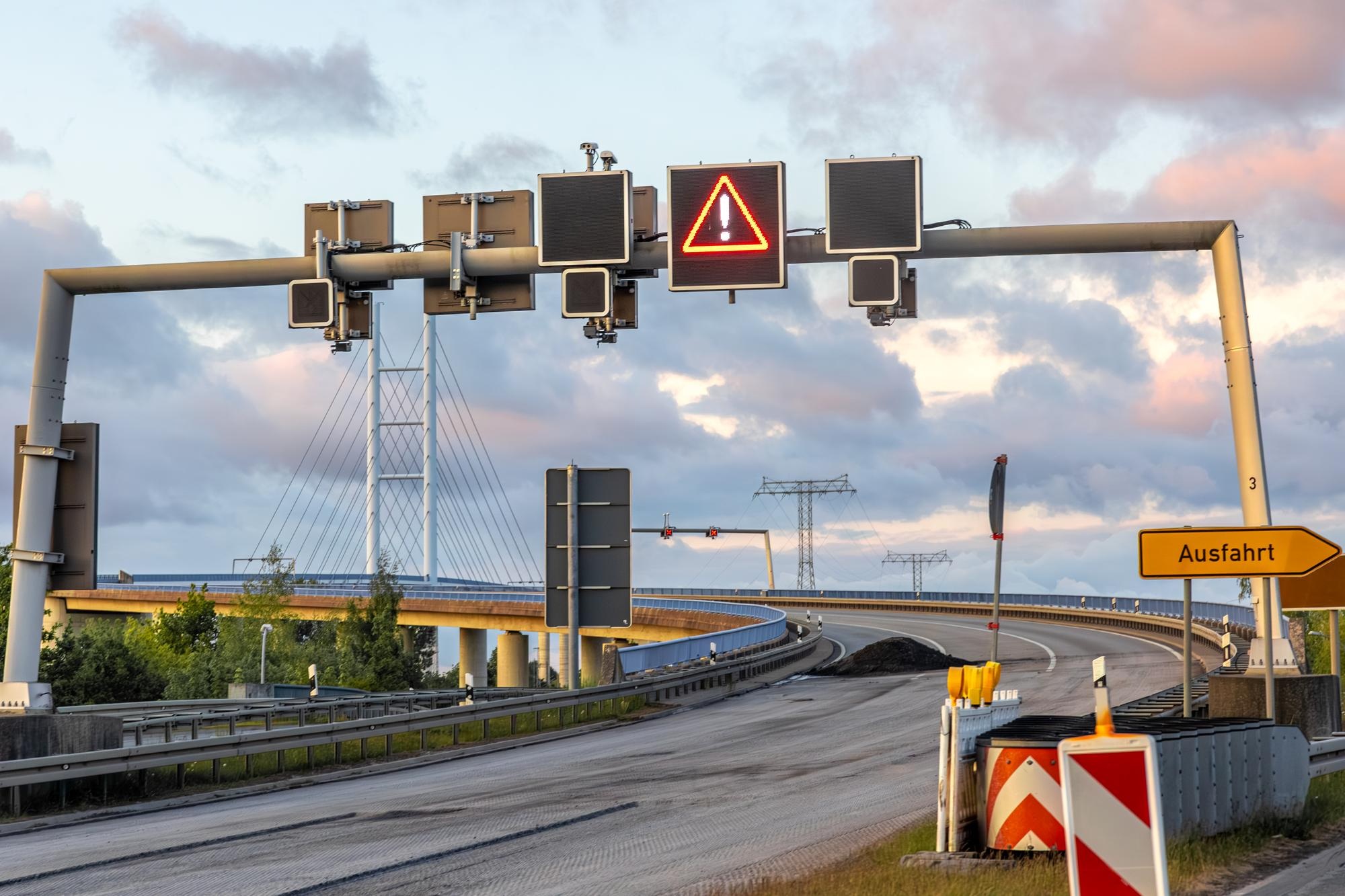

What is temporary traffic management and when is it mandatory?
Temporary Traffic Management (TTM) is a system of measures, technical equipment, and rules that temporarily change the traffic flow on a given road section to ensure safety during construction, maintenance, or emergency activities.
It is a mandatory element for any intervention in the road infrastructure and is directly related to the safety of drivers, pedestrians, and site workers. 🚧
Definition: what does temporary traffic management include?
TTM covers:
-
temporary vertical signaling (road signs);
-
temporary horizontal marking;
-
light signaling;
-
portable traffic lights;
-
safety fences and barriers;
-
cones, bollards, and guiding elements;
-
temporary routes and diversions.
The primary goal of temporary traffic management is controlled and safe passage through a zone with altered traffic conditions.
In which cases is temporary management mandatory?
In Bulgaria, temporary traffic management is required for:
1️⃣ Road repair and rehabilitation
-
resurfacing;
-
milling;
-
pavement repair;
-
curb replacement.
2️⃣ Construction and installation activities
-
construction of water and sewerage networks;
-
cable laying;
-
installation of underground infrastructure.
3️⃣ Emergency situations
-
burst water pipes;
-
pavement subsidence;
-
emergency repairs.
4️⃣ Private sites with access to a public road
-
construction in urbanized areas;
-
logistics bases;
-
industrial zones.
Why is temporary management critically important? ⚠️
1. Accident prevention
The most common accidents in roadwork sections are due to:
-
lack of clear signage;
-
sudden lane changes;
-
unexpected obstacles.
Properly designed TTM:
-
provides sufficient reaction time;
-
reduces the risk of traffic accidents;
-
protects workers on site.
2. Legal responsibility
In the absence of an approved temporary organization:
-
the contracting authority bears administrative responsibility;
-
fines may be imposed;
-
construction activities may be suspended;
-
in the event of an accident – serious liability for damages.
3. Traffic control and minimizing congestion
Well-planned temporary management:
-
optimizes throughput capacity;
-
reduces chaos;
-
prevents secondary accidents;
-
maintains the functionality of the road network.
How is a temporary traffic management project prepared?
The process involves several key steps:
📐 1. Site Analysis
-
traffic intensity;
-
road type;
-
speed limits;
-
proximity to schools, hospitals, or residential areas.
📝 2. Scheme Preparation
The project includes:
-
placement of signs;
-
designation of diversions;
-
positions of barriers;
-
markings and lighting devices.
🏛️ 3. Coordination and Approval
The project is subject to approval by:
-
the respective municipality;
-
RIA (for national roads);
-
the Ministry of Interior authorities (Traffic Police).
Implementation of temporary traffic management is impermissible without official approval.
Key elements of effective TTM
✔️ Clear Visibility
Signs must be:
-
highly reflective;
-
correctly positioned;
-
visible in night conditions.
✔️ Consistency
The driver must receive information in stages:
-
warning;
-
restriction;
-
guidance;
-
passage.
✔️ Physical Separation
For higher risk, the following are used:
-
concrete barriers;
-
mobile railings;
-
safety barriers.
Temporary vs. Permanent Traffic Management
| Feature | Temporary | Permanent |
|---|---|---|
| Duration | Limited | Long-term |
| Materials | Portable | Fixed |
| Goal | Protection during activities | Traffic regulation |
| Approval | Mandatory | Part of the permanent project |
Temporary traffic management must be clearly distinguishable from permanent management to avoid confusion.
Common mistakes in temporary management ❌
-
Insufficient reaction distance.
-
Lack of sign repetition.
-
Overly complex schemes.
-
Use of unsuitable materials.
-
Lack of night signaling.
These mistakes significantly increase the risk of accidents.
TTM in urban environments – specifics
In populated areas, the following must be considered:
-
pedestrian flows;
-
bicycle lanes;
-
public transport;
-
access to commercial sites.
Special attention is required in:
-
school zones;
-
hospitals;
-
high-traffic intersections.
What does the investor gain from professional execution?
✅ Reduction of the risk of sanctions
✅ Faster project completion
✅ Fewer accidents
✅ Better public reputation
✅ Lower insurance risks
Temporary traffic management is not a formality – it is a risk management tool.
Conclusion
Temporary traffic management is an essential part of any construction or repair activity affecting road infrastructure.
It guarantees:
-
safety;
-
legal compliance;
-
project efficiency;
-
protection of all road users.
📌 With proper planning and execution, temporary traffic management does not just meet regulatory requirements – it creates a controlled and predictable environment where risk is minimized.
With experience in working with industrial clients and high safety requirements, SignalPro is a reliable partner for building a functional and secure logistics environment.
📞 Phone: +359 882 578 060
📧 Email: info@signalpro.bg
🌐 Website: https://signalpro.bg
Road solutions for warehouses and logistics are a key element of modern industrial infrastructure. They ensure safety, order, and efficiency in a highly dynamic and responsible environment. Through the correct selection of signs, equipment, and traffic organization, businesses can reduce risks and optimize their processes.
Choosing a professional partner like SignalPro ensures that every solution is tailored to the actual needs of the site and meets the highest standards of quality and safety.

